
The Importance of MIDI Mapping and Audio Editing with the Precision of a Celebrity Plastic Surgeon
(Or: “How to Stop Your Mix from Sounding Like a Cover Band of Cockroaches on Speed.”)
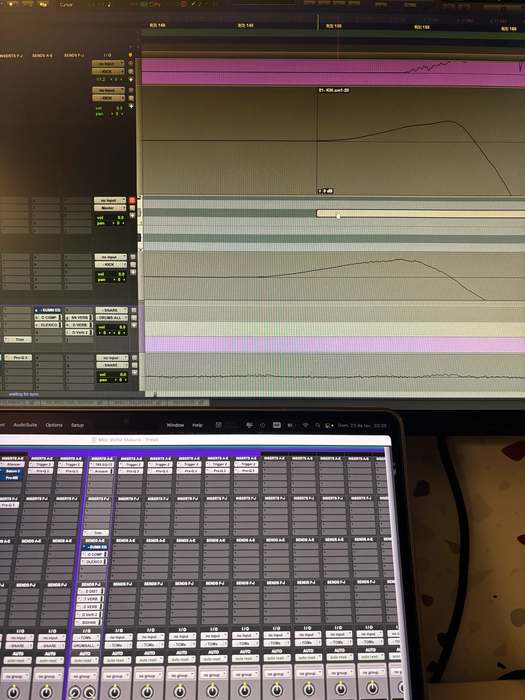
In the photo above, we see a DAW organized with the discipline of a Buddhist monk. The MIDI tracks are aligned so perfectly that even the metronome has stopped trembling with anxiety. That's surgical MIDI mapping, the difference between a song that sounds like Beyoncé and one that sounds like a Roberto Carlos cover sung by a vacuum cleaner stuck on “turbo.”
MIDI: the hero your mix needs (but doesn't deserve)
MIDI, or “Make an Immediately Drumming Professional,” is the protocol that allows your old Casio keyboard to communicate with your laptop without causing a blue screen. Mapping MIDI is like teaching a cat to use the toilet: do it badly and you're in for a smelly disaster. Why does it matter?
- Synchronization: So your drums don't sound like a gang of squirrels hitting trash cans offbeat.
- Consistency: So your music doesn't become a country fair where the accordionist is playing “Asa Branca” while everybody else is dancing funk.
- Flexibility: Because one day you want a violin, the next an electric berimbau, and MIDI gives you that musical personality disorder without the therapy bills.
MIDI applications beyond impressing your ex on Instagram
- Arrangements: Swap the “nightclub piano” synth for an “Alien spaceship” sound and save your song from becoming the soundtrack of a margarine commercial.
- Performance correction: Turn a badly played, out-of-tune passage, sounding like a cat walking over a kalimba, into something that might even earn a like from Jimi Hendrix.
- Effects and automation: Make the vocal volume grow like an influencer's self-esteem after applying fifteen filters.
- Physical controllers: If your studio doesn't look like the bridge of the Star Trek Enterprise, you're doing it wrong. Flashing lights beat natural talent.
Why samples can save drums like a joker in a card game
If the recorded drums sound like “a monkey hitting pots during an earthquake,” samples are real life's Ctrl+Z.
- Sonic consistency: Because the original kick hits with all the force of Grandma's sigh.
- Artistic impact: Replace a snare that sounds like a cheap ticking clock with something that echoes like a gunshot in the Grand Canyon.
- Competitiveness: Your track needs to be as powerful as the silence after someone says, “We need to talk.”
The technique? Map every hit as if you were dissecting a Pokémon, then inject samples like sonic steroids.
“Stop pretending your mix doesn't sound like barroom karaoke”
If you're tired of mixes that sound like “Led Zeppelin played on a harmonica and a rusty tambourine,” visit www.juanotero.com.br. We'll tame MIDI with a serial killer's cold precision and use samples like dealers in sonic explosives.
Get in touch today! Your musical career can't depend on your cousin's backhanded compliment: “Not bad… for someone who never studied, right?”
P.S. If you still think MIDI is “nerd stuff,” go back to recording songs on a Nokia 1100 voice recorder. We'll talk when you've evolved from “cockroach cover band on speed” to ARTIST. 🚀